Search
 Product Finder
When engineers begin evaluating a MEMS (Micro Electro Mechanical Systems) accelerometer, the conversation often starts with performance specifications. Noise, frequency response, measurement range, shock survivability, and temperature performance all play important roles in the selection process.
For OEM teams, selecting an accelerometer involves more than comparing specification sheets.
An accelerometer that performs well in testing may still create integration challenges, increase qualification requirements, introduce supply chain concerns, or create redesign risk later in the product lifecycle. For aerospace, industrial, commercial, and test applications, long-term program success depends on evaluating how well a sensor fits the system, how effectively the supplier supports integration, and whether the product will remain available throughout the life of the program.
What You’ll Learn
In this article, we’ll explore:
- Why accelerometer specifications are only part of the selection process.
- How integration requirements influence OEM program success.
- Why engineering support can reduce development risk.
- How lifecycle planning helps avoid future redesigns.
- What to look for when evaluating an OEM accelerometer supplier.
Why Don’t Accelerometer Specifications Alone Guarantee Program Success?
Performance specifications provide an important starting point when evaluating an industrial accelerometer. They help engineers determine whether a device can meet measurement criteria and operating demands.
However, OEM programs introduce additional considerations that specifications alone cannot address.
Two accelerometers may appear similar on a datasheet but create very different outcomes during development and production. Package dimensions, mounting requirements, output configurations, qualification documentation, and supplier responsiveness can all influence the overall success of a program.
When these factors are overlooked early in development, OEM teams may encounter:
- Additional engineering effort during integration.
- Delays during testing and qualification.
- Unexpected sourcing challenges.
- Increased redesign costs.
- Product lifecycle disruptions.
As products become more complex and development timelines become tighter, selecting the right accelerometer requires a broader evaluation process.
How Does Integration Fit Affect OEM Program Success?
The design environment often determines which accelerometer is the best choice.
Before selecting an accelerometer, OEM teams should define the mechanical, electrical, environmental, and regulatory constraints of the system. Understanding these requirements early helps prevent integration issues later in the development process.
Important considerations include:
Package and Mounting Requirements
Board space, mounting methods, connector needs, and enclosure constraints all influence sensor selection. An accelerometer that meets performance specifications may still be difficult to integrate if its package configuration does not align with the product design.
Output and Electrical Compatibility
Output type, power demands, signal conditioning needs, and interface compatibility should be evaluated alongside performance specifications. Selecting a Variable Capacitance DC accelerometer that aligns with existing system architecture can simplify development and reduce engineering effort.
Customization
Many OEM applications require more than a standard off-the-shelf configuration. Calibration requirements, output options, packaging preferences, or application-specific design considerations may influence sensor selection.
Working with a supplier that can support customization can help engineering teams achieve better system integration while reducing the need for compromises elsewhere in the design.
Qualification and Compliance Needs
Documentation, testing conditions, and compliance needs should be addressed early in the selection process. This is particularly important for aerospace, industrial, defense, and other highly regulated applications.
For OEM teams, integration fit is what turns a qualified component into a production-ready part and helps prevent engineering rework during development.
How Can Engineering Support Reduce Integration Risk?
Even well-defined designs can encounter unexpected challenges during development.
Questions often arise during prototyping, testing, validation, and production ramp-up. Access to knowledgeable engineering guidance can help OEM teams address these issues before they affect schedules or budgets.
Supplier support can provide value through:
- Application guidance during sensor selection.
- Integration recommendations during development.
- Assistance with testing and validation.
- Troubleshooting during qualification.
- Assistance as programs transition from prototype to production.
For many OEM teams, engineering collaboration becomes especially valuable when products operate in demanding environments or require application-specific performance characteristics.
A supplier that understands the application can help identify potential issues earlier and reduce the likelihood of costly changes later in the program.
Why Does Long-Term Availability Matter for OEM Programs?
Many OEM programs are expected to remain in service for years or even decades. Before an accelerometer is designed into an OEM product, teams should confirm whether that same part can remain available for the life of the program.
An accelerometer that becomes unavailable midway through a product lifecycle can trigger extensive engineering work, including:
- Requalification testing.
- Documentation updates.
- Regulatory reviews.
- Manufacturing changes.
- Product redesigns.
These activities frequently cost more than the original component itself.
As part of the accelerometer selection process, OEM teams should consider:
- Supplier commitment to long-term part availability.
- Stability of the supplier’s manufacturing process.
- Consistent lead times from prototype through production.
- Supply chain planning for long-running OEM programs.
- Access to engineering and technical support over time.
Long-term availability can help reduce redesign risk and provide greater confidence throughout the life of the program.
What Should Teams Look for in an OEM Accelerometer Supplier?
With these priorities in mind, OEM teams can use a simple evaluation framework before selecting a Variable Capacitance DC accelerometer.
Three questions to ask include:
- Does the sensor fit the system requirements and integration constraints?
- Can the supplier provide technical support during development, validation, and production?
- Can the supplier provide long-term part availability, manufacturing stability, and lifecycle needs?
When all three areas are addressed, OEM teams are better positioned to reduce delays, limit engineering rework, and support long-term product reliability.
How Does Silicon Designs Support OEM Accelerometer Programs?
For OEM applications, successful sensor selection depends on balancing performance, integration requirements, supplier support, and lifecycle planning.
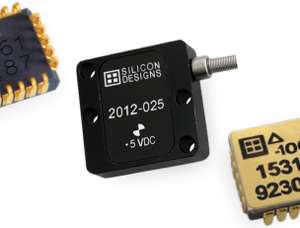
Silicon Designs works with OEM teams through U.S.-based design and manufacturing, application-focused engineering collaboration, and customizability for programs with specific fit, output, and configuration needs. Its MEMS DC Accelerometers are designed for demanding aerospace, industrial, and test applications where sensors need to integrate cleanly and remain available over time.
SDI helps OEM programs find accelerometers that fit existing architectures, meet application-specific criteria, and move from development into production with fewer integration obstacles. SDI’s portfolio includes packaging, output, and configuration options that help teams identify a practical fit for their system while maintaining access to engineering input as program needs change.
By combining integration flexibility, in-house manufacturing continuity, and ongoing program support, SDI helps OEM teams reduce engineering risk throughout the product lifecycle.
Talk with an Engineer About Your OEM Program
Whether you are evaluating a new vibration sensor, integrating a test and measurement accelerometer, or planning for long-term product availability, selecting the right supplier can have a lasting impact on program success.
Speak with an SDI engineer to determine the best accelerometer fit for your OEM program.
Frequently Asked Questions About Accelerometer Selection for OEM Programs
What should OEMs consider when integrating MEMS accelerometers into their products?
OEM teams should evaluate more than sensor performance. Package size, mounting method, output type, power requirements, qualification needs, and system compatibility all influence how easily an accelerometer can be integrated into a product. Considering these factors early can help reduce engineering rework and development delays.
What should engineers look for when choosing a high-precision accelerometer?
Engineers should look for characteristics that indicate accurate and repeatable measurement. A high-precision accelerometer should offer low noise, strong sensitivity, stable output across temperature changes, and minimal drift over time. These factors help the sensor capture small vibration or motion changes without losing accuracy as operating conditions shift. For OEM programs, precision should also be evaluated alongside integration fit, customization needs, and long-term part availability.
Why is engineering support important when selecting an OEM accelerometer supplier?
Engineering support can help teams validate sensor fit, troubleshoot integration challenges, assist with qualification testing, and support the transition from prototype to production. Working with a supplier that understands the application can reduce development risk and help avoid costly delays.
Why should long-term product availability be considered before selecting an accelerometer?
Many OEM products remain in service for years or decades. If an accelerometer becomes unavailable during the product lifecycle, manufacturers may face redesigns, requalification testing, documentation updates, and production disruptions. Evaluating supplier stability and long-term availability early can help reduce these risks.
How does Silicon Designs support OEM accelerometer programs?
Silicon Designs supports OEM programs with U.S.-based design and manufacturing, application-focused engineering collaboration, customization options, and long-term part availability. SDI helps teams evaluate accelerometer fit, integration criteria, and lifecycle needs before a sensor is designed into the product.